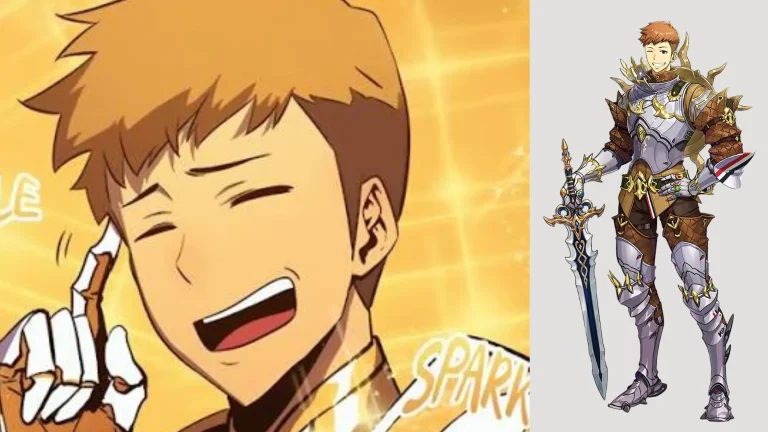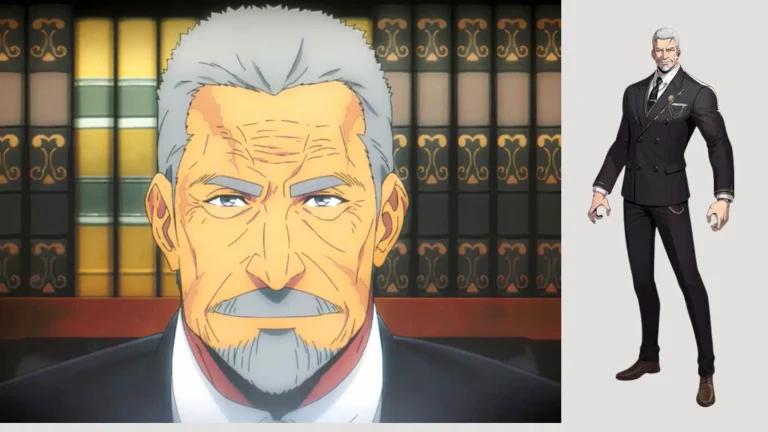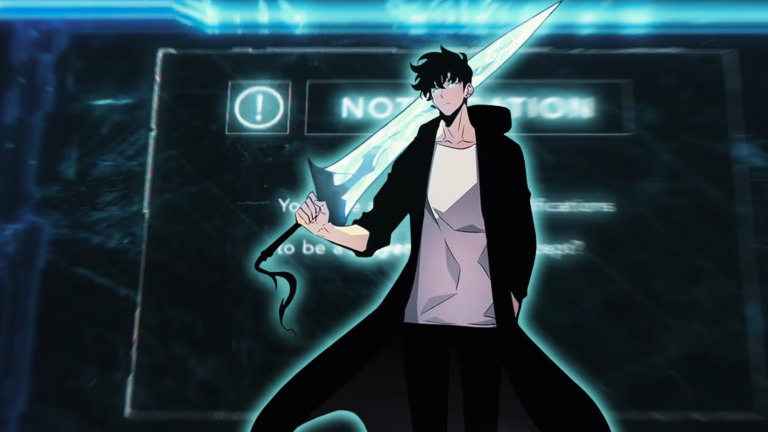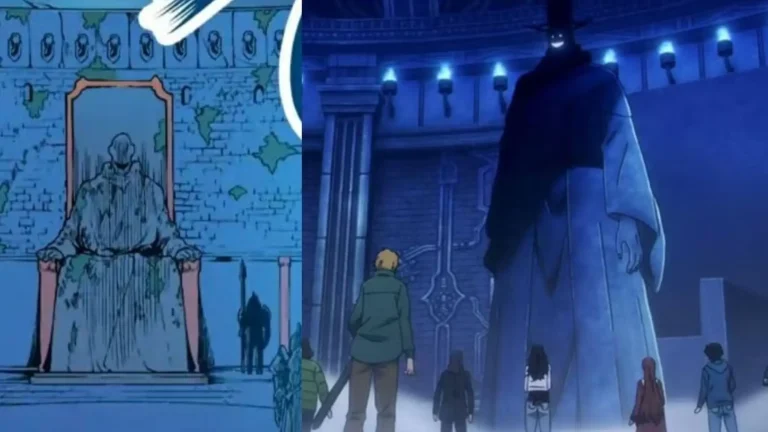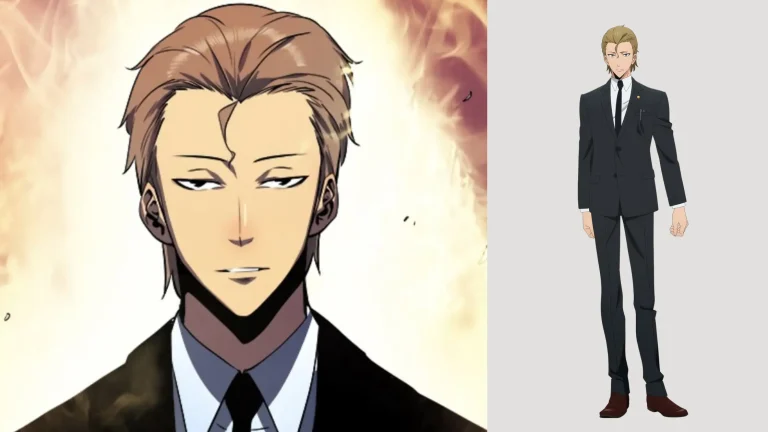
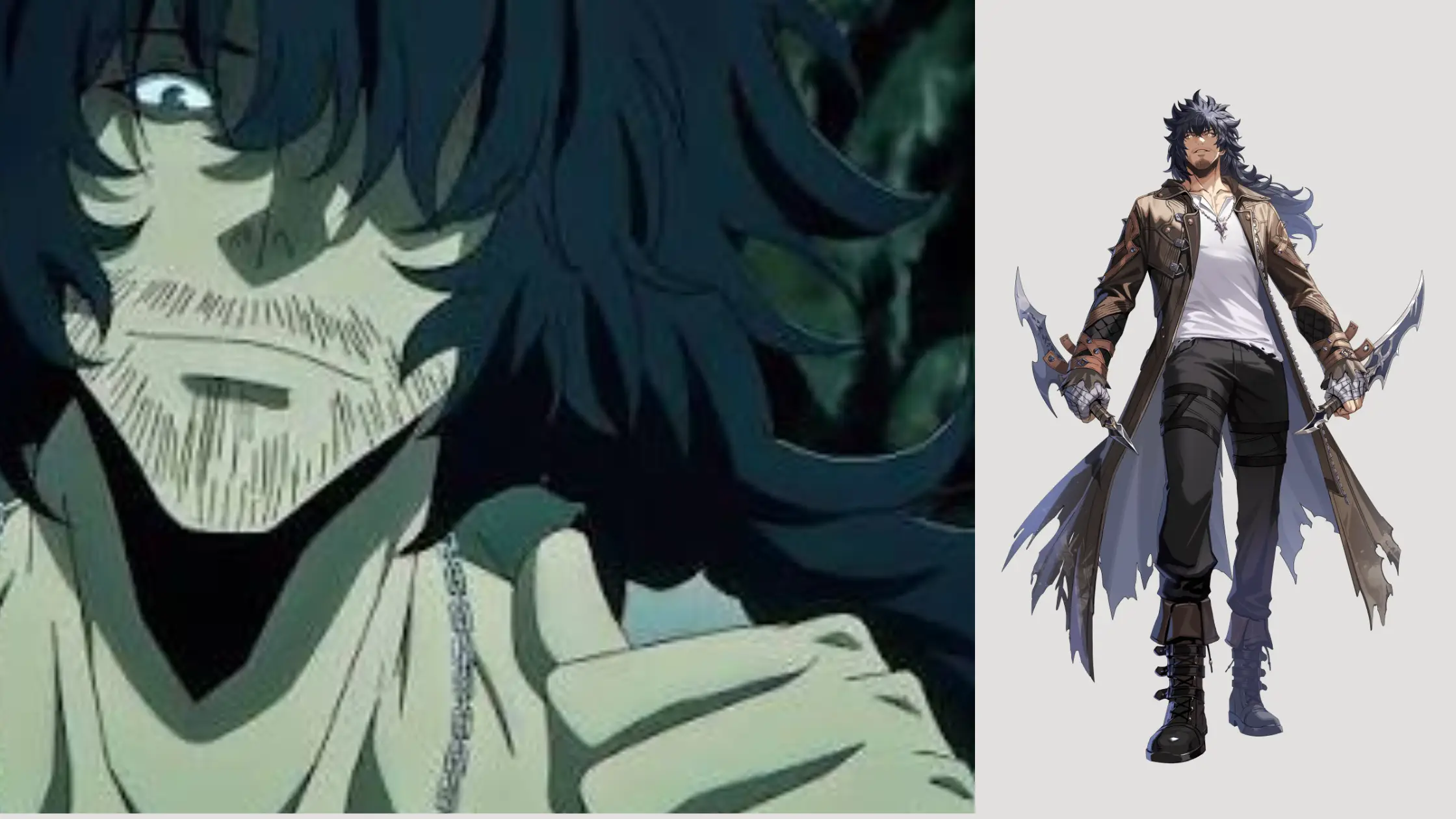
Sung Il-hwan is Sung Jin-woo’s father — a man who disappeared into a dungeon when Jin-woo was a child and returned ten years later carrying power granted by the Rulers. His disappearance is the reason Jin-woo became a hunter. His return during the Monarchs War is the most emotionally complex moment in the series. And the mission the Rulers gave him when they found him — find and kill the Shadow Monarch’s vessel — turned out to be a mission to kill his own son.
| Detail | Info |
|---|---|
| Full Name | Sung Il-hwan (성일환) |
| Also Known As | Jin-woo’s Father |
| Age | Late 40s at time of return |
| Occupation Before Disappearance | Firefighter — then S-rank hunter |
| Hunter Rank | S-rank — National Level equivalent, never formally registered |
| Power Source | Modified by the Rulers — not a vessel (see below) |
| Disappeared | Ten years before the main story |
| First Appearance (in person) | Monarchs War Arc — Chapter 160 |
| Voice Actor (JP) | Hiroki Tochi |
| Voice Actor (EN) | Jason Marnocha |
| Status | Deceased in original timeline; alive in reset timeline |
“Finish what you started.” — Sung Il-hwan to Jin-woo on the battlefield
⚠️ Spoiler Warning This page covers Il-hwan’s complete story including his return during the Monarchs War, his death, and his appearance in the reset timeline. Anime-only viewers who have not read past Chapter 110 will encounter major plot spoilers.
Who Is Sung Il-hwan?
Sung Il-hwan is not a Rulers vessel — and this is the most commonly misunderstood fact about him in the entire series.
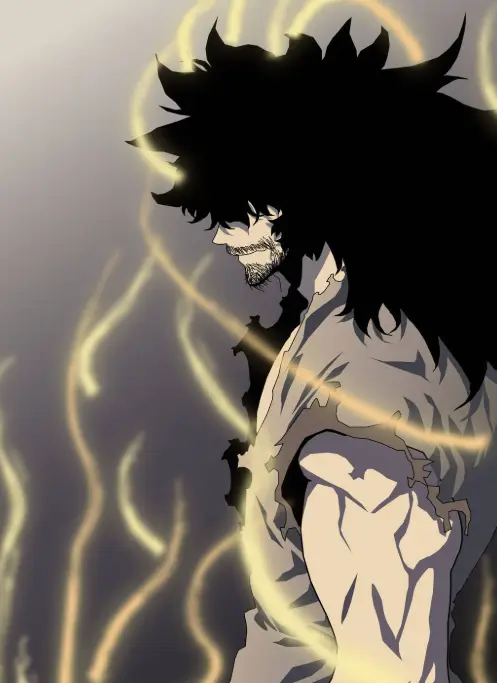
Most sources describe him as a Rulers vessel in the same category as Thomas Andre and Liu Zhigang. He is not. In a Q&A on the Korean platform Dcinside, Chugong specifically addressed this misconception and stated that Il-hwan’s case is fundamentally different from the National Level hunters who borrowed Ruler power. Andre and the others were humans who were granted the ability to channel Ruler energy through their bodies. Il-hwan was a human who was modified by the Rulers — a different process that changed his physical makeup rather than simply lending him external power.
Solo Leveling: Ragnarok is consistent with this distinction. When Beru describes Il-hwan to Sung Su-ho in Chapter 179 of the Ragnarok novel, he says Il-hwan received power from the Rulers in his past life — but specifically does not call him a vessel, the term Beru uses when describing Thomas Andre and the others. The difference in language is intentional.
This matters because it changes what Il-hwan was. He was not a human borrowing divine power. He was a human who was rebuilt by beings of light to fulfil a specific mission — and then sent back into a world he had been missing from for ten years.
Who Was Sung Il-hwan Before the Dungeon?
Before he was a hunter, Sung Il-hwan was a firefighter — and that profession defined everything about how he operated afterward.
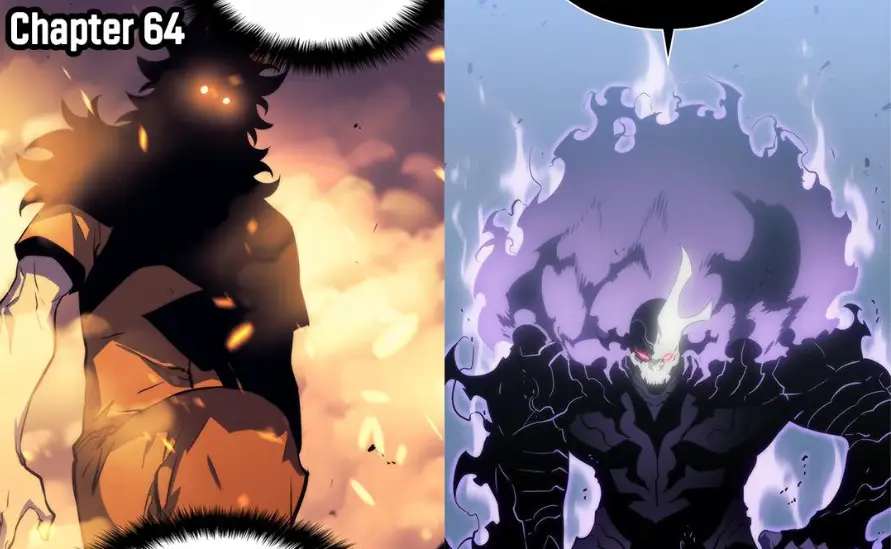
He worked in firefighting because he was drawn to situations where people needed immediate help and the response required someone willing to go in rather than wait outside. When gates first appeared and awakened humans began emerging, Il-hwan was among the first generation of S-rank hunters in Korea — strong enough to qualify but without the formal ranking system that would later exist to recognise him.
His strength was never officially registered. The Korean Hunter’s Association did not exist in the form it later took when he was active. There was no rank classification, no official record of his power level, and no institutional support for his family after his disappearance. This is the direct reason Jin-woo grew up in poverty despite having a father who was, by every measure, one of the strongest hunters Korea had ever produced. The system that would have recognised Il-hwan and supported his family simply did not exist yet when he was fighting.
Park Kyung-hye, his wife, fell in love with him specifically because of how he carried himself toward people in trouble — she told Jin-woo this after her recovery. The quality she described is the same one that made him a firefighter and then a hunter. It is also the quality Jin-woo inherited so completely that neither of them ever needed to discuss it.
What Happened Inside the Dungeon?
Il-hwan was trapped inside a gate ten years before the main story begins. He survived by killing everything inside — but could not find a way out.
He cleared the dungeon’s monsters. He fought starvation for what the manhwa describes as years rather than days. He stayed alive through the kind of sustained refusal to give up that runs in his family. By the time the Rulers found him he was at the edge of what his body could endure.
The Rulers chose him because of what they observed during those years. The same quality that made him a firefighter — the refusal to stop even when stopping would be rational — was exactly what the Rulers needed for the specific mission they had in mind. They modified his physical capacity and sent him into the dimensional space between the human world and the Rulers’ domain to begin his assignment.
That assignment was to locate the Shadow Monarch’s chosen vessel and eliminate it before it could fully awaken. The Rulers understood that a fully awakened Shadow Monarch operating independently was a variable they could not predict or control. Their solution was to remove the vessel before the power transfer completed.
They did not tell Il-hwan whose name would come up when he finally located his target.
What Are Il-hwan’s Powers and Abilities?
Il-hwan operates at National Level equivalent — the Rulers’ modification pushed him significantly above standard S-rank classification, comparable to Thomas Andre or Christopher Reed without being the same category of empowerment.
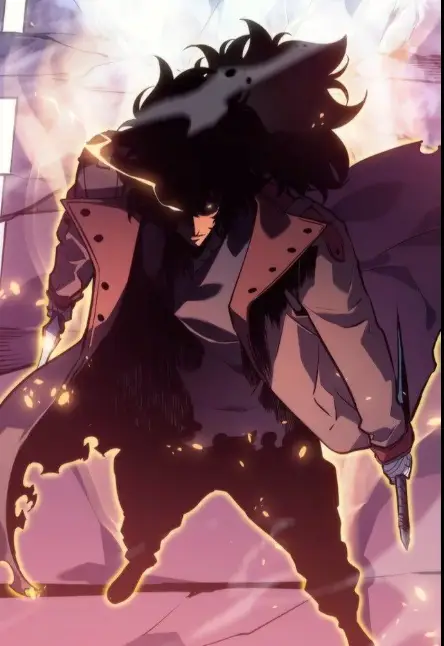
The table below covers his confirmed abilities.
| Ability | What It Does |
|---|---|
| Ruler’s Authority | Telekinetic force — same ability held by all Ruler-empowered humans; moves objects and enemies without contact |
| Spiritual Body Manifestation | Projects the Ruler’s body — the most powerful combat form available to Ruler-empowered humans; dramatically increases all physical output |
| Superhuman Strength | Physical output at National Level equivalent; his fight with Hwang Dong-soo demonstrated the gap between his strength and standard S-rank |
| Superhuman Speed | Movement speed sufficient to appear to teleport at close range during combat |
| Stealth | Ability to become invisible — used tactically rather than as a passive state |
The critical limitation is the same one that applies to every human carrying Ruler power: the body was not built for it. Unlike Monarchs who erase their vessel’s consciousness and operate the body directly, the Rulers work with the host’s physical form as it exists. Il-hwan’s body sustained the modification but could not sustain Spiritual Body Manifestation at maximum output indefinitely. The more he pushed it, the faster the damage accumulated.
Arc-by-Arc Story Progression
| Arc | What Happens | Key Chapters |
|---|---|---|
| Background — Pre-story | Works as a firefighter; awakens as S-rank hunter; enters dungeon and disappears; family believes him dead | Referenced throughout early arcs |
| Jeju Island Arc | Referenced — his disappearance established as reason for family’s poverty | Ch. 90–Ch. 107 |
| Japan Crisis Arc | Travels to Japan to locate his target — the Shadow Monarch’s vessel — and discovers it is Jin-woo | Ch. 132–Ch. 139 |
| International Guild Conference Arc | Watches Jin-woo from a distance; cannot approach yet; the Rulers’ mission is still unresolved | Ch. 140–Ch. 149 |
| Hwang Dong-soo Encounter | Defeats Hwang Dong-soo with minimal effort when Dong-soo attempts to use him as leverage against Jin-woo | Referenced in Chapter 125 context |
| Monarchs War Arc | Returns to Korea; reunites with Jin-woo; fights to protect Jin-woo’s body while Jin-woo is with Ashborn; uses Spiritual Body Manifestation at full output; dies from the accumulated damage | Ch. 160–Ch. 165 |
| Epilogue / Reset Timeline | Alive in the new timeline — never disappeared into a dungeon; living normally with his family | Ch. 178–Ch. 200 |
The Moment He Recognised His Son
The most significant moment of Il-hwan’s entire arc is not his death — it is the moment in Japan when he realised his target was Jin-woo.
He had been operating on the Rulers’ mission for years before this point. He had tracked the Shadow Monarch’s vessel across multiple locations. When he arrived in Japan during the Tokyo gate crisis, he found Jin-woo walking into the situation alone — and felt the aura of what his son had become.
The manhwa does not dramatise the recognition. Il-hwan simply stood and understood. The vessel the Rulers had sent him to eliminate was the boy who grew up without a father because Il-hwan had been in a dungeon. The mission and the family had been on a collision course the entire time and neither the Rulers nor Il-hwan had known it until that moment.
He abandoned the mission. The Rulers had sent him to prevent the Shadow Monarch from awakening. Instead, during the Monarchs War, he used everything he had to protect Jin-woo’s physical body while Jin-woo was in the space between — meeting Ashborn and receiving the full inheritance. Il-hwan held the Monarchs back with a body that was not built to hold them back. He did it because there was nothing else to do and because he had spent ten years away from his son.
The Battlefield Reunion and His Death
Jin-woo arrives at Il-hwan’s location to find his father standing over a defeated Monarch, barely able to remain upright.
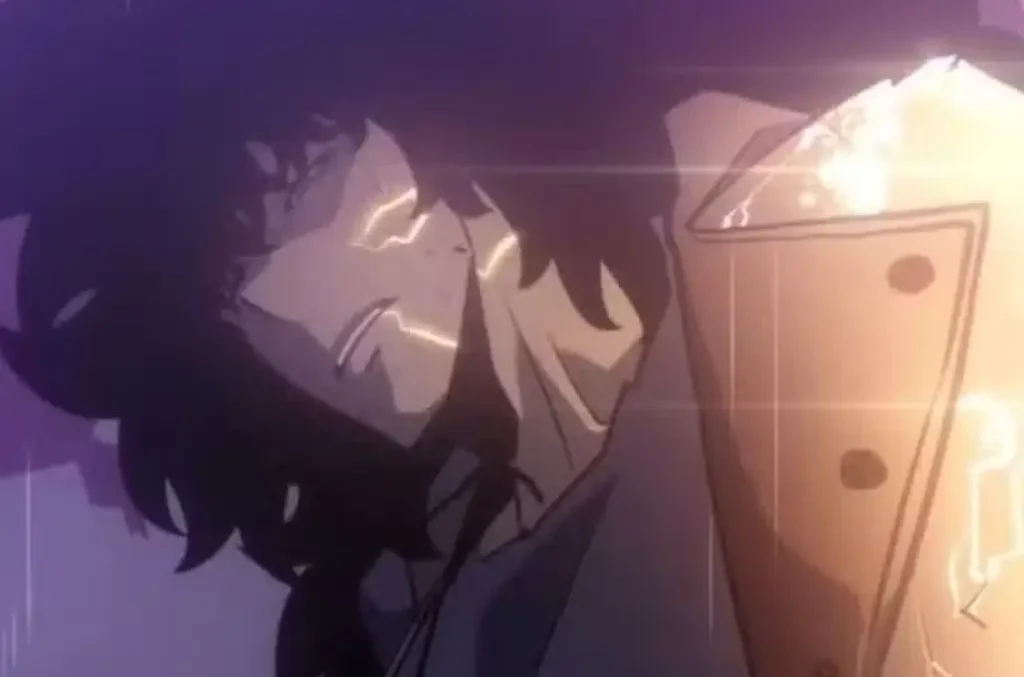
There is no embrace. There is no long conversation. The manhwa gives them a look — a moment of recognition between two people who understand each other without requiring explanation — and then Il-hwan speaks. The line is short. It is a direction, not a farewell. He tells Jin-woo to finish what he started and then he is gone.
The damage from Spiritual Body Manifestation at maximum output was not something his modified human body could survive. He knew this before he used it. The choice was the same one he made in the dungeon ten years earlier — keep going past the point where stopping would be rational, and accept whatever comes after.
Jin-woo closes his father’s eyes, stands up, and continues. He does not collapse. He does not stop. He carries it the way the series established he carries everything — completely, without putting it down.
The manhwa does not give Jin-woo a grief scene. It does not need to. The way he stands up and continues is the grief scene.
What Changed in the Reset Timeline?
In the new timeline created by the Cup of Reincarnation, Il-hwan never disappeared. He never entered the dungeon. He came home.
The reset rewinds ten years and removes the Monarchs War from the human world entirely. With no war and no targeted mission from the Rulers, Il-hwan’s disappearance — which was caused by a dungeon that may or may not have been directly tied to the Rulers’ selection process — never happened. He was there for Jin-woo’s childhood. He is there in the epilogue, living with his family in the ordinary way the original timeline never allowed.
Jin-woo’s decision to use the Cup of Reincarnation was not primarily about the world. Every argument for the reset traces back to the same core: he won the war and his father was still dead. That was not an acceptable outcome. The Cup was the only available answer to a result he refused to accept.
Read the Monarchs War arc where Il-hwan returns at Chapter 160 at readsololevelingmanga.us.