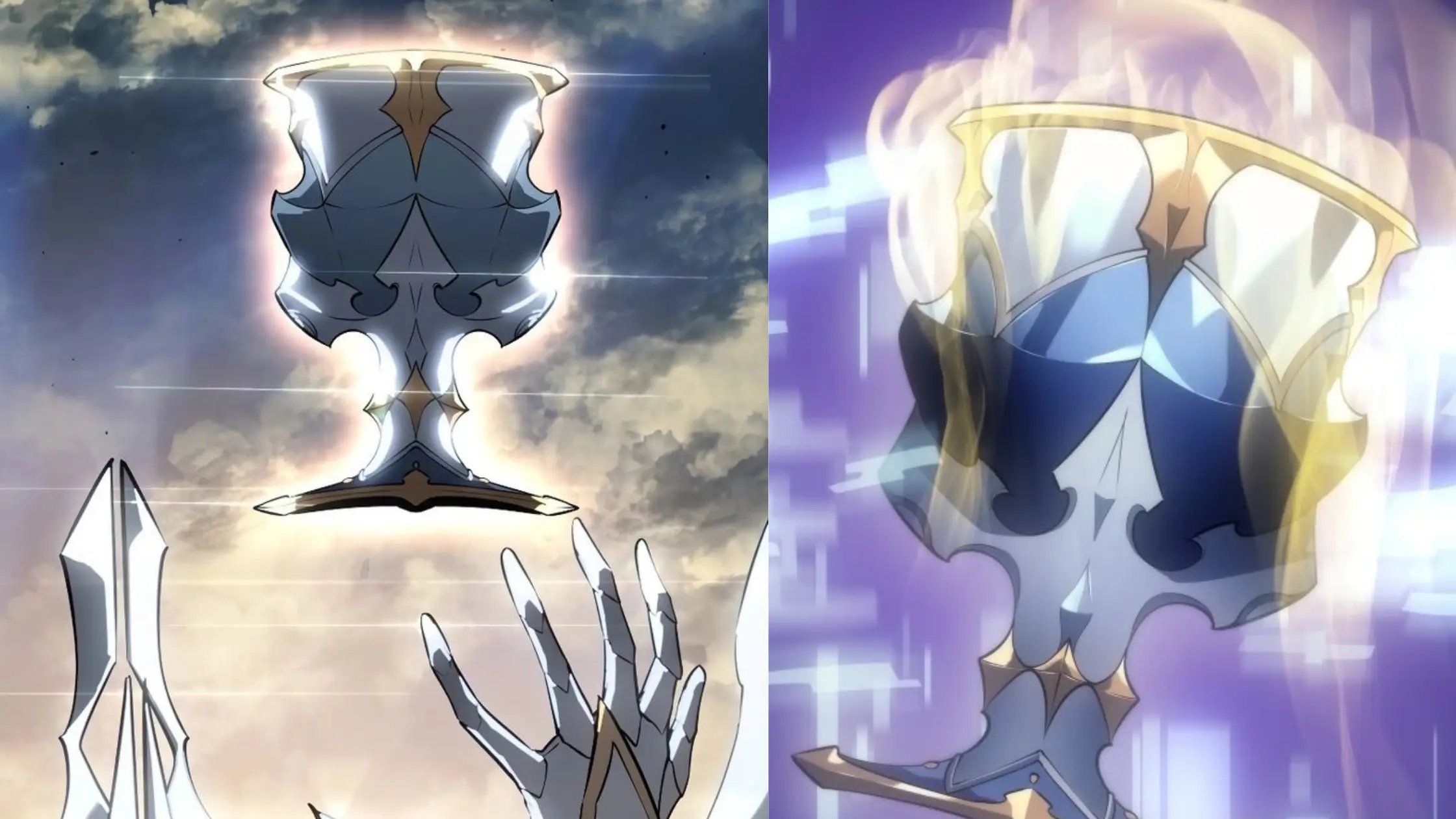
The Cup of Reincarnation is a cosmic artifact created by the Absolute Being that rewinds time to a fixed point in the past. It was used three times before the main story begins — each time by the Rulers trying to prevent humanity’s destruction — and a final time by Sung Jin-woo at the end of the manhwa to erase the Monarchs War and restore everyone who died in it. After Jin-woo’s use, the cup was permanently exhausted and can never be activated again.
The table below covers the key facts before the full breakdown.
| Detail | Info |
|---|---|
| Created By | The Absolute Being |
| Appearance | Large ornamental chalice — yellow trims, indigo glass, light blue stem |
| Function | Rewinds time to a fixed point in the past |
| Total Uses | Four — three by the Rulers, one by Jin-woo |
| Current Status | Permanently exhausted — cannot be used again |
| First Referenced | Chapter 93 (post-Antares defeat) |
| Reset Point | Ten years before the main story begins |
Who Used the Cup Before Jin-woo?
The Rulers used the Cup of Reincarnation three times before the events of Solo Leveling — each time to reverse a catastrophic Monarch victory that wiped out humanity.
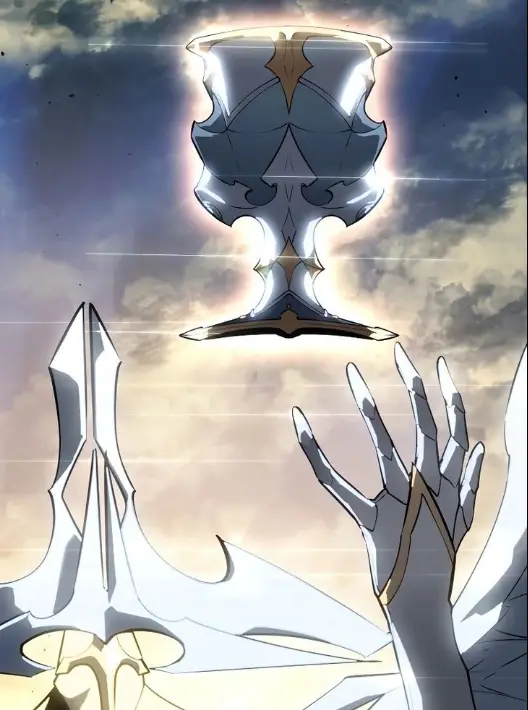
The war between the Rulers and Monarchs had been running for millennia before gates ever appeared on Earth. In every timeline the Rulers attempted to protect, the Monarchs eventually won and humanity was destroyed. No combination of Rulers’ vessels and human hunters was enough to stop the Monarchs permanently.
Each time humanity fell, the Rulers used the cup to rewind time and try a different strategy. After three resets produced the same outcome, they changed their approach entirely. Instead of just rewinding, they used the reset to seed the human world with mana — opening gates deliberately to expose humanity to monsters, forcing the awakening process, and creating a population of hunters strong enough to contribute to the war. The main story of Solo Leveling takes place in this fourth timeline, built specifically to produce hunters who could fight alongside the Rulers.
The cup reset time by approximately ten years each activation. The Rulers chose the reset point carefully to give themselves enough time to implement their strategy before the Monarchs arrived in force again.
Why Did Jin-woo Use the Cup?
Jin-woo used the cup because defeating the Monarchs was not enough — the war had already killed people he could not accept losing, and the world itself was damaged beyond what victory alone could repair.
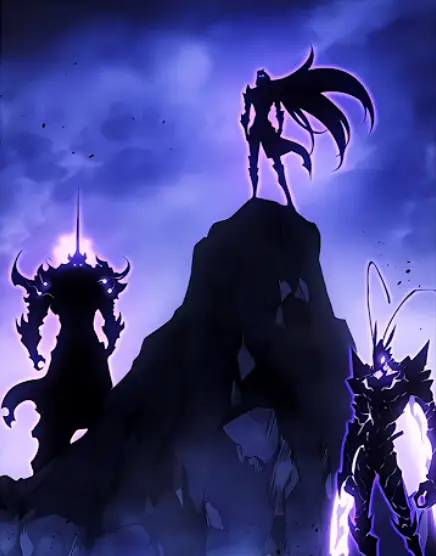
After defeating Antares and ending the Monarchs War, Jin-woo assessed what the war had cost. His father Sung Il-hwan was dead — killed by the physical strain of channelling Ruler power beyond what his human body could sustain. Go Gun-hee was gone. Civilians across multiple countries had died. His sister Jinah had been attacked by monsters at her school. The physical damage to cities and infrastructure across the world was enormous.
Jin-woo won the war. The world still looked like it had lost one. That was not acceptable to him.
The Rulers offered him the cup after Antares fell, understanding that Jin-woo would ask for it. They had used it themselves three times for the same reason — because winning was not always the same as saving. Jin-woo took it, used it, and accepted every consequence of that decision without hesitation.
What Exactly Does the Reset Do?
The cup rewinds time to ten years before the main story begins — before gates appeared, before hunters existed, before the Monarchs War began.
The reset does not erase the Monarchs. It restores them. Every Monarch Jin-woo defeated — including Antares — was revived in the new timeline with their memories completely intact. They remembered the original timeline, remembered losing, and remembered Jin-woo. The reset was not a peace agreement. It was a declaration that Jin-woo would fight the war again, alone, before it could touch the human world.
The table below shows what changed between the original timeline and the reset timeline.
| Element | Original Timeline | Reset Timeline |
|---|---|---|
| Gates | Open throughout the story, causing civilian casualties | Never open in the human world |
| Hunters | Exist as a profession; tens of thousands awakened | Never develop — no awakening occurs |
| Monarchs War | Fought openly in the human world | Fought by Jin-woo alone in the dimensional gap |
| Civilian awareness | Populations know about hunters and monsters | Humanity has no knowledge of any of this |
| Sung Il-hwan | Dies during the Monarchs War | Alive — returns home normally |
| Go Gun-hee | Dies during the war | Alive in the new timeline |
| Jin-woo’s memories | Full — he lived through both timelines | Fades gradually as the new timeline stabilises |
How Did Jin-woo Fight the Monarchs in the Reset?
Jin-woo sealed himself in the dimensional gap between timelines and fought the Monarchs there — alone — for 27 years while only two years passed in the real world.
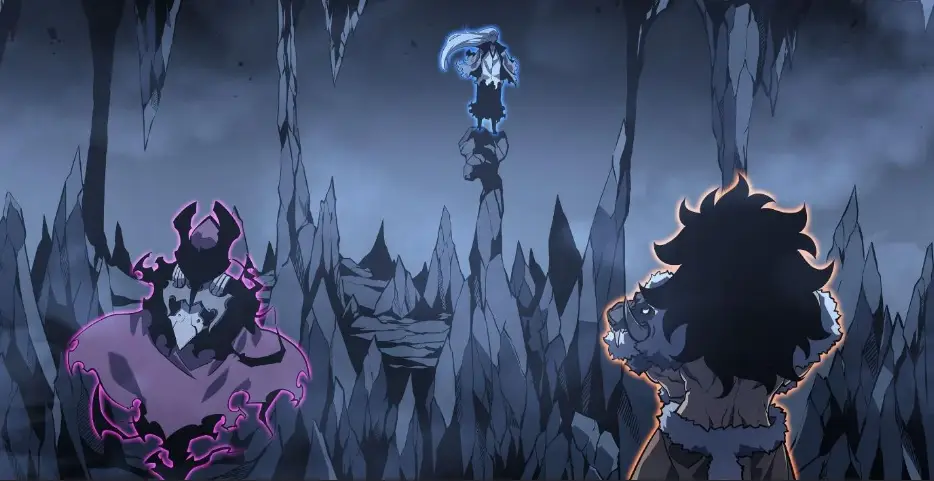
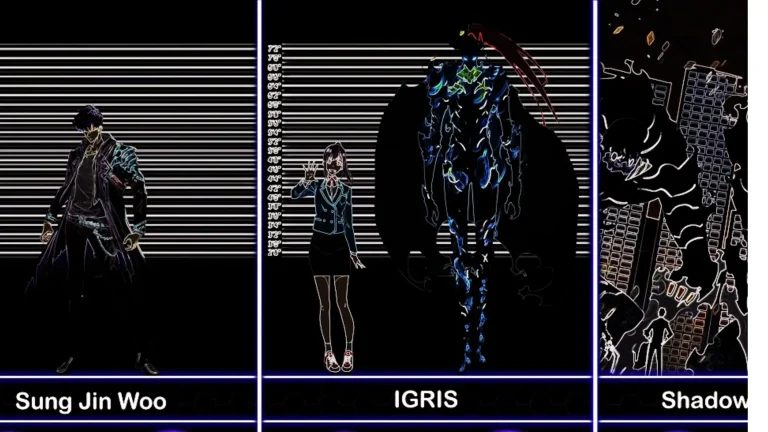
He could not bring all his shadow soldiers. Shadows like Iron and Greed were extracted from people who were now alive again in the reset timeline. Taking them into the dimensional gap would have killed their original bodies in the new world. Jin-woo left them behind. He entered the gap with only the shadows that predated the reset — primarily Igris, Beru, Bellion, and the core army that existed before the events of the main story.
The Monarchs entered the dimensional gap with their memories intact, ready to fight. Jin-woo fought them one by one across 27 years of subjective time. In the real world, only two years passed. When the last Monarch fell, Jin-woo stepped back into the reset timeline — into a world that had no idea any of this had happened — and lived quietly in a version of his life that never included any of it.
Was the Reset Permanent?
No. Gates reappeared in the new timeline approximately 20 years after the reset, confirming that the dimensional instability which created them originally was not fully resolved.
This is the detail most articles miss entirely. The reset prevented the Monarchs War from touching the human world. It did not eliminate the underlying dimensional structure that produces gates. Two decades into the new timeline, gates began opening again — and with no hunter system, no awakened population, and no institutional knowledge of what they were, humanity had to build all of that from scratch.
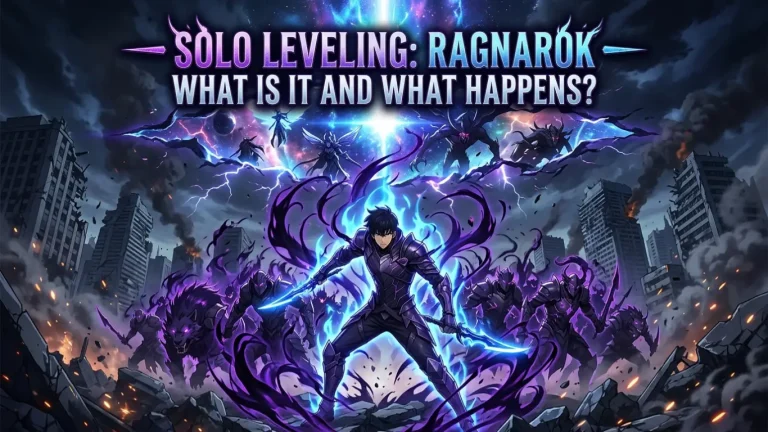
This is the direct setup for Solo Leveling: Ragnarok. Jin-woo’s son Sung Su-ho inherits the Shadow Monarch’s power and faces a new cosmic threat — the Itarim — in a world that has just rediscovered that gates exist. The cup’s reset did not end the series’ conflict. It redirected it to the next generation.
Why Was the Ending Controversial?
A significant portion of the Solo Leveling fanbase reacted negatively to the Cup of Reincarnation ending — and their criticism has a legitimate basis, even if the counterargument is also valid.
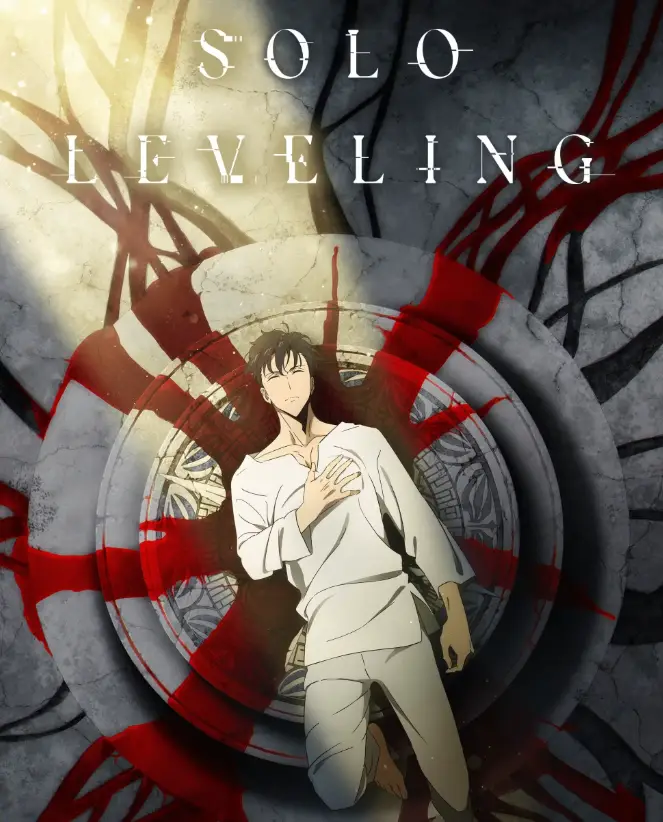
The case against the ending centres on consequence. Solo Leveling spent 170 chapters building emotional weight through permanent events — deaths, sacrifices, relationships formed under extreme pressure. The cup erased most of that. Go Gun-hee’s death, which was one of the manhwa’s most affecting moments, became retroactively non-permanent. Characters who died fighting to protect something were restored without knowing they had fought at all.
The case for the ending is that Jin-woo’s decision reflects exactly who he is. He fought the entire war to protect his family and the people around him. Accepting a victory that left his father dead was never something his character would do. The cup is consistent with every choice Jin-woo makes across the series — he always pushes further than the situation requires because the minimum result is never enough for him.
Both readings are defensible. Chugong has not given a formal statement on the intent behind the ending’s structure, which is why the debate continues among readers.
Read the final arc where Jin-woo makes this decision starting from Chapter 90 at readsololevelingmanga.us.